Long COVID & ME/CFS
Understand. Believe. Support.
Here you can find out in simple words what Long COVID and ME/CFS mean and how you can understand and support people affected: in your family, among your friends, at work or as a professional in public authorities and specialist services.
The video

Watch chapter by chapter8 parts, pause any time
Prefer to read? Here is the full text.
Imagine someone you know looks perfectly healthy. But even a short conversation, a shower, or grocery shopping can push them to their limits. For some people with Long COVID, this is everyday life. You often can’t tell by looking at them. Yet Long COVID is a physical illness that can affect several body systems.
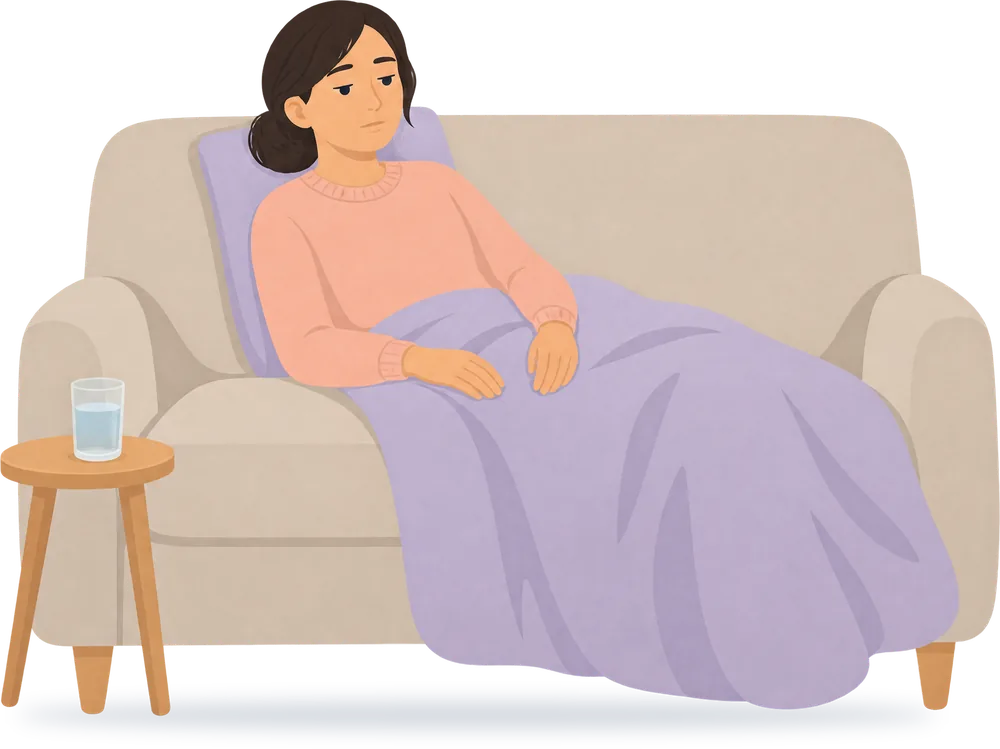
Fatigue is not ordinary tiredness, but severe exhaustion caused by the illness. Sleep and rest often don’t properly recharge the battery. Concentrating can be very draining, and some people are sensitive to light and noise. Every case is different. Some people can barely leave the house or get out of bed.
On Saturday, Mira laughs with friends, but on Sunday she can’t do anything. For some people, symptoms get worse after even minor exertion, whether physical, mental, emotional, or social. Often not until hours or days later. This is called PEM, post-exertional malaise. It can last days, weeks, or longer. PEM is the hallmark of ME/CFS. That stands for myalgic encephalomyelitis, also known as chronic fatigue syndrome, a serious physical illness. ME/CFS can develop after COVID or other infections, but not everyone with Long COVID has it.
Comments like “Just move more” or “You were fine yesterday” are well meant, but they can hurt and add pressure. With PEM, pushing through or moving more can worsen the condition. What Mira needs isn’t more pressure, but understanding.
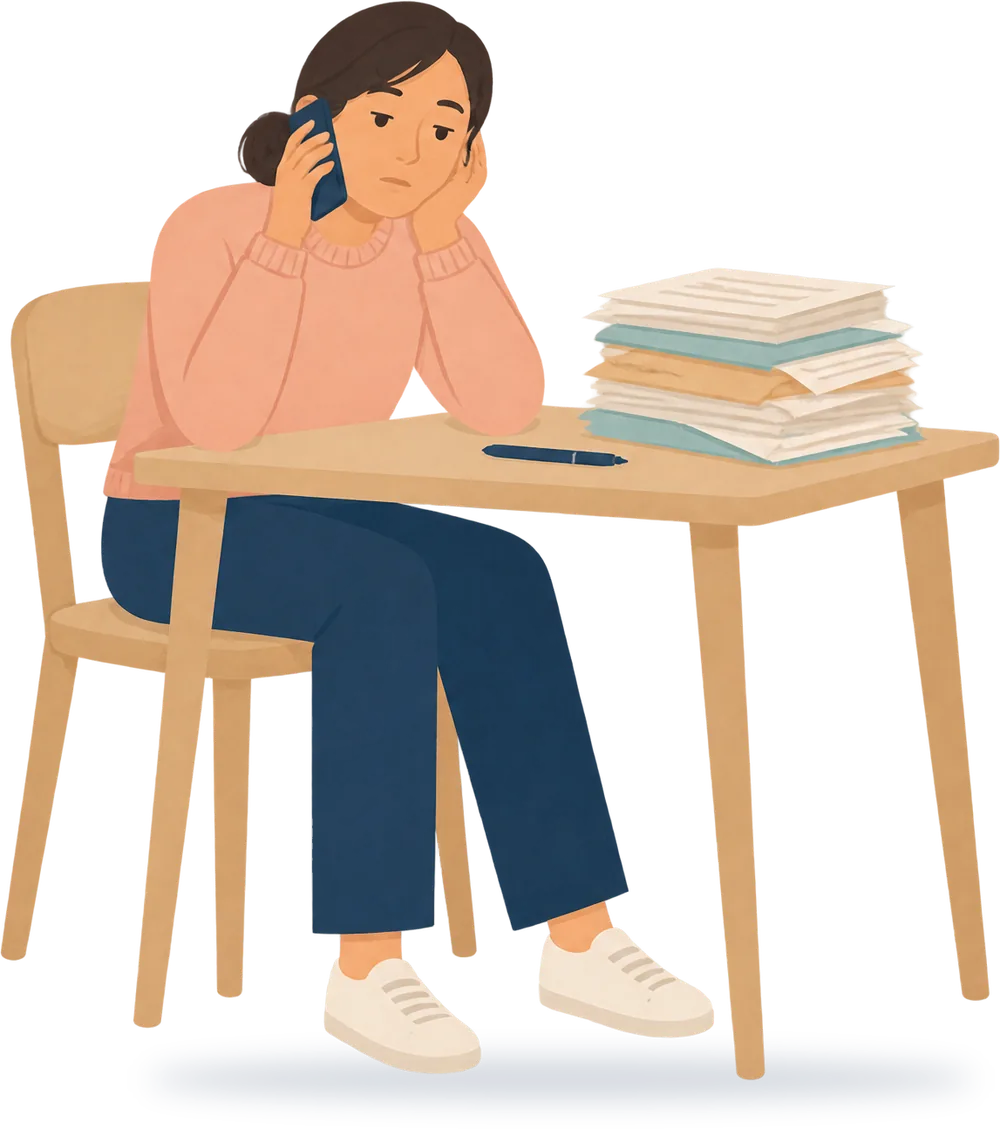
Many of those affected are told by doctors, insurers, and officials that it’s just stress or psychological. Many doctors and authorities still lack knowledge of these illnesses. And those affected really feel it. Applications can take a long time and drain a lot of energy. If Mira wants, go with her to appointments. Help with her symptom diary and handle forms, letters, and calls.
You can help more than you might think. Believe her when she says she doesn’t have enough energy. Accept last-minute cancellations. Mira budgets her fluctuating energy to avoid setbacks where possible. This is called pacing: not a cure, not a training plan. Offer to do the shopping or cooking. Respect breaks and personal limits. Just ask: What would help you today?
If work is possible, flexible hours, breaks, working from home, or a lighter workload can ease the pressure.
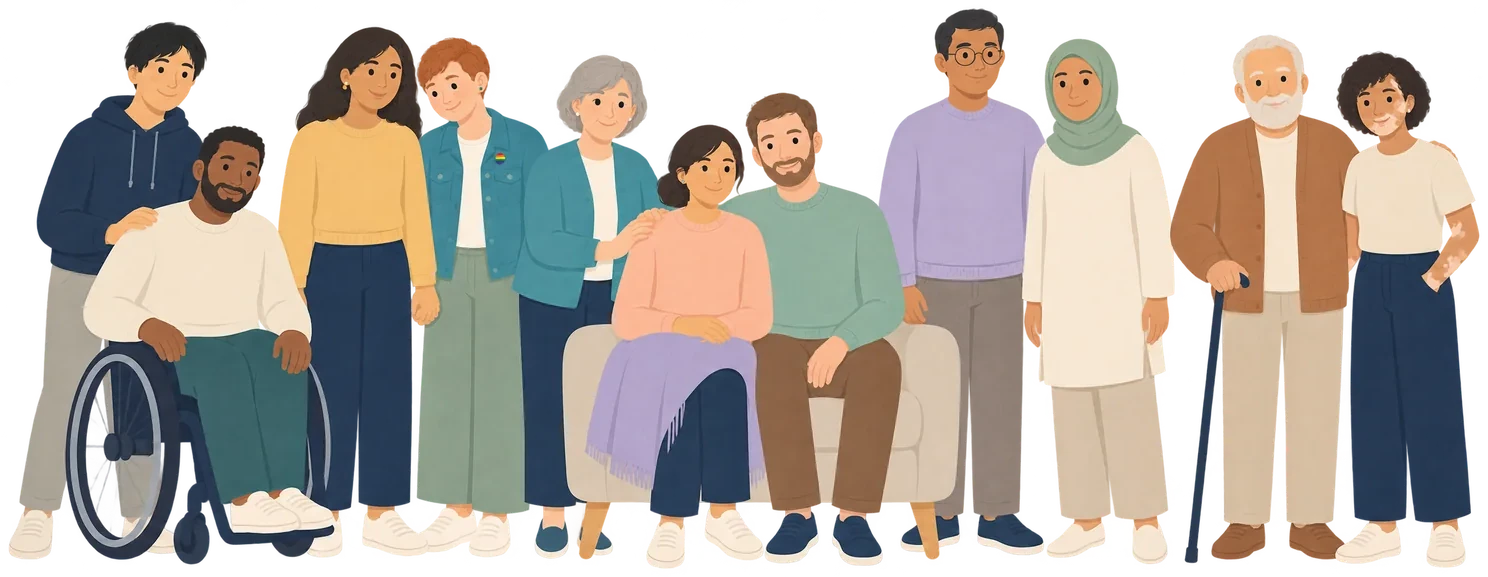
People with Long COVID or ME/CFS need people who believe them. Who respect their limits. And who stay by their side, even when many things no longer work the way they used to.
How do you know the person affected?



“When I was nursing COVID patients, that was fine. Now I feel they are leaving me in the lurch.”